— The business case —
You're paying people to do work machines should handle.
Most $5M–$15M businesses have the same pattern: workflows costing 5–20 hours of staff time per week, done manually because no one has got around to automating them. Ticket triage. Lead qualification. Document review. Report generation. These are exactly the tasks AI agents are built for.
The problem isn't the technology — it's that most AI work for SMBs delivers chatbots and demos, not production systems. We build agents that connect to your real tools, run tests before they touch customers, and include monitoring so you catch problems early.
— What we build —
Four types of agents, one production standard.
Every agent is scoped to a specific workflow. We don't build general-purpose bots — we build agents that own a defined task end-to-end.
Operations agents
Workflow automation across your back office.
Routes, transforms, and acts on structured data across your tools.
- Approval routing + escalation paths
- Data sync between disconnected systems
- Report generation + distribution
Support agents
Tier-1 resolution without the queue.
Handles inbound queries, resolves what it can, escalates what it can't — with full context.
- FAQ + knowledge base resolution
- Ticket triage + priority scoring
- CRM lookup + response drafting
Sales agents
Lead qualification that runs while you sleep.
Qualifies inbound leads, scores against your ICP, and hands off to sales with context.
- ICP scoring + enrichment
- Outreach drafting + sequencing
- CRM update + handoff memo
Data agents
Extract signal from unstructured input.
Reads documents, emails, and forms — extracts structured data and takes action on it.
- Contract + invoice extraction
- Email classification + routing
- Form processing + validation
— What's included —
Every build includes four non-negotiables.
Agent design + tool use
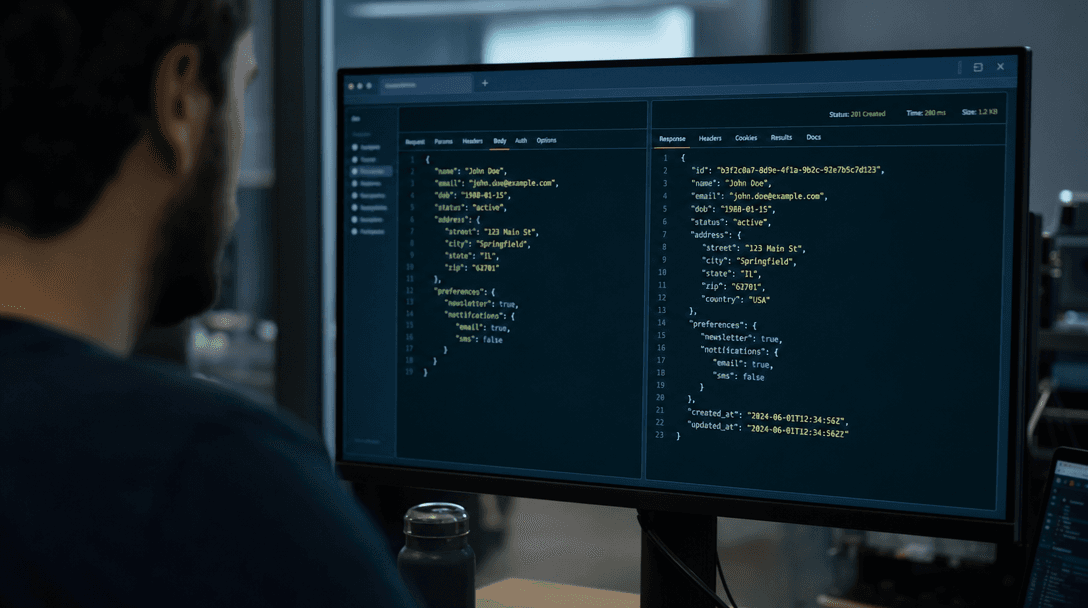
We define what the agent can do, which tools it can call, what data it can access, and what actions it can take. You sign off on the design before any code is written.
Test suite
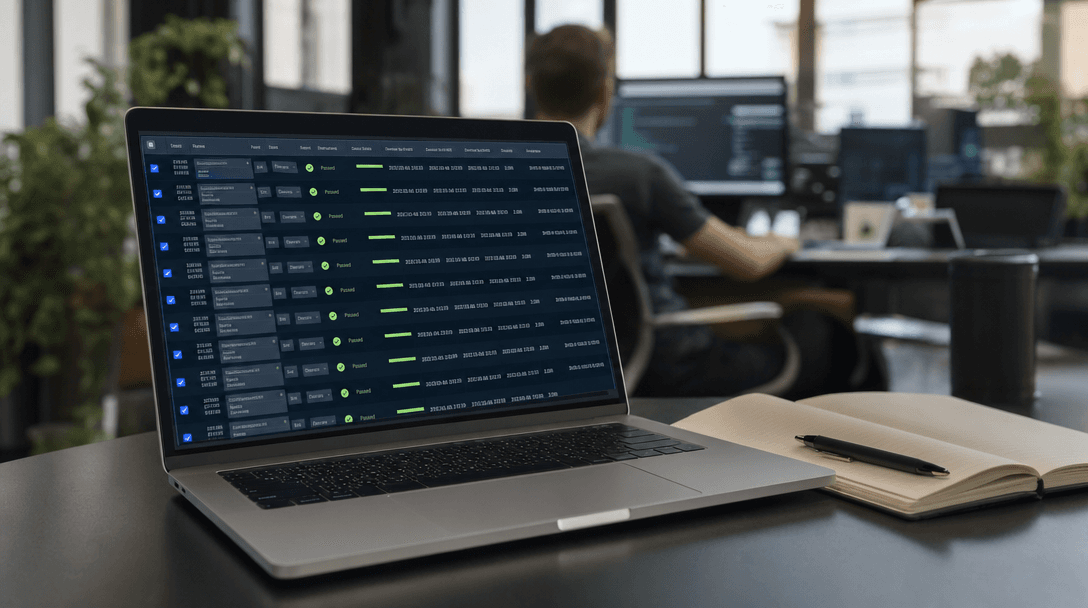
A set of real test cases that run before every deployment. If the agent fails a test, it doesn't ship. You get the test results as part of the handoff.
Monitoring dashboard
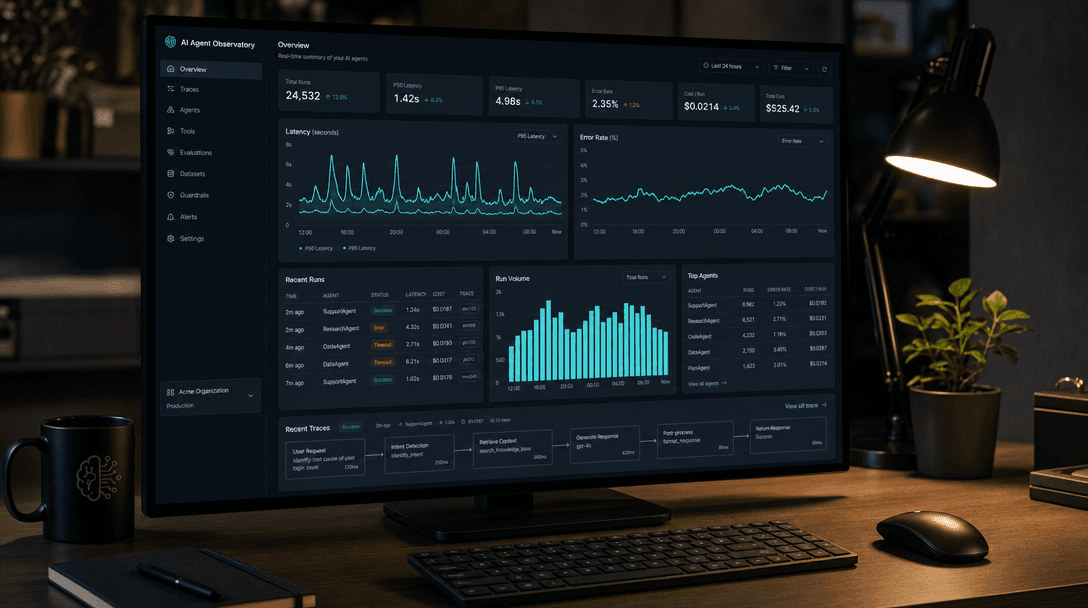
Every call is logged with what went in, what came out, how long it took, and what it cost. Your team can read the dashboards without touching code.
Production deployment
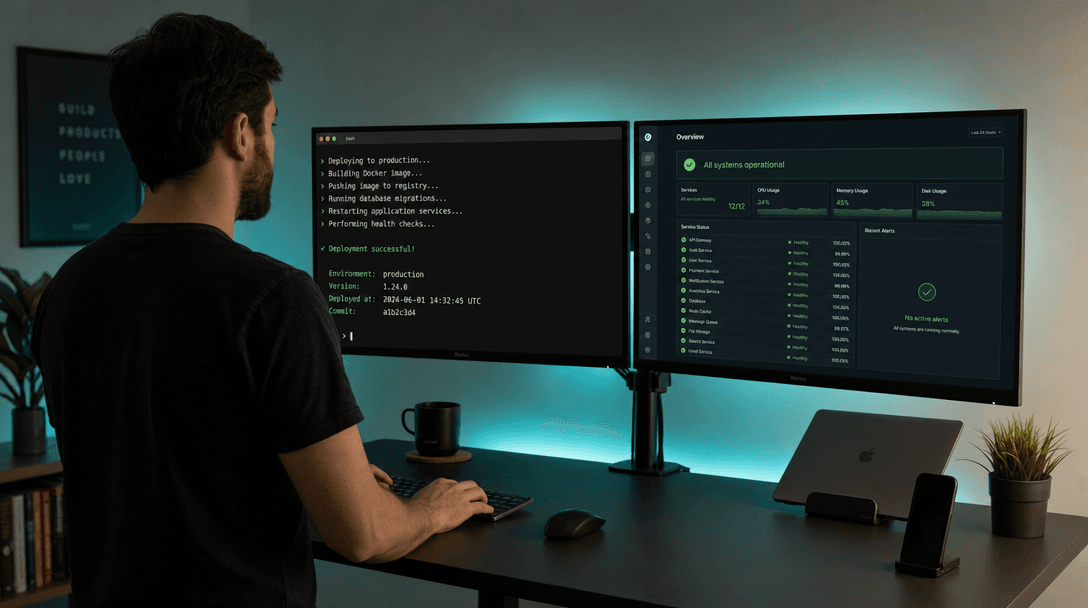
Auth, rate limiting, error handling, and rollback gates — not a notebook. Deployed to the same infrastructure as the rest of your stack.
Every agent ships with dashboards your team can read — no code required.
— How it works —
Five steps, eight weeks.
Discovery
We learn your ops, tools, and the workflow you want to automate. Output: a written scope doc.
Architecture
Tool map, data flow, agent type selection, eval criteria. You sign off before build starts.
Build
Agent implementation, tool integrations, internal testing. Weekly update sent.
Eval
Eval suite runs. Agent tested against real inputs. Issues fixed before touching production.
Deploy
Production deployment with observability, docs, and a 30-min handoff call.
— Built for —
Right for some. Not for everyone.
Built for
- $1M–$15M businesses with real digital operations
- Workflows costing your team 5+ hours/week
- At least one technical contact on your team
- Comfortable running production AI without hand-holding
Not a fit
- Pre-revenue or <$1M — the ROI math doesn't work yet
- Projects with undefined requirements or moving scope
- Businesses that need a vendor to manage the AI after delivery
- Regulated industries (healthcare, finance) requiring compliance expertise we don't carry
Start with the audit or book a call.
Most engagements start with the $497 audit — it finds the right agent opportunity and produces the spec we build from. Already know your scope? Book a call directly.
— Common questions —
Quick answers.
What is AI agent development?+
AI agent development is building software that uses AI to complete multi-step tasks on its own — calling APIs, reading data, making decisions, and taking action without someone clicking through it each time. Unlike a chatbot, an agent can triage a support ticket, look up the customer record, draft a reply, and log the outcome — all in one run.
How long does it take to build an AI agent?+
Most production-ready agents take 4–8 weeks from scoping to deployment. Weeks 1–2 cover requirements and architecture. Weeks 3–5 are build and testing. Weeks 6–8 are integration and production rollout. Timeline depends on how many external systems the agent needs to connect to.
How much does AI agent development cost?+
Projects start from $8,000 for single-agent systems with 2–3 tool integrations. Multi-agent systems with full testing pipelines run $15,000–$40,000. All engagements are fixed-scope with defined acceptance criteria — no open-ended retainers.
What's the difference between an AI agent and a chatbot?+
A chatbot responds to messages. An AI agent acts on them. Agents connect to your real tools — CRM, databases, email, APIs — and can complete a workflow end-to-end without human intervention at each step. A chatbot can't update a record or send a notification on its own.
Do you use OpenAI, Anthropic Claude, or something else?+
We pick the right model for the job. GPT-4o is strong for structured data extraction and tool use. Claude handles long documents and nuanced reasoning well. We also use open-weight models like Llama for latency-sensitive or on-premise deployments. The model choice is part of the architecture decision, not a default.
What monitoring is included after launch?+
Every agent we ship includes call logging, latency and cost tracking, and a test suite that runs on each deployment. You get dashboards your team can read without touching code — so you can see what the agent did and catch issues before they become problems.
— Ready to start? —
Build the agent. See what it saves.
Most clients run the first agent in production within 8 weeks. If you already know the workflow — book a call. If you need to find the right one first — start with the audit.