The problem
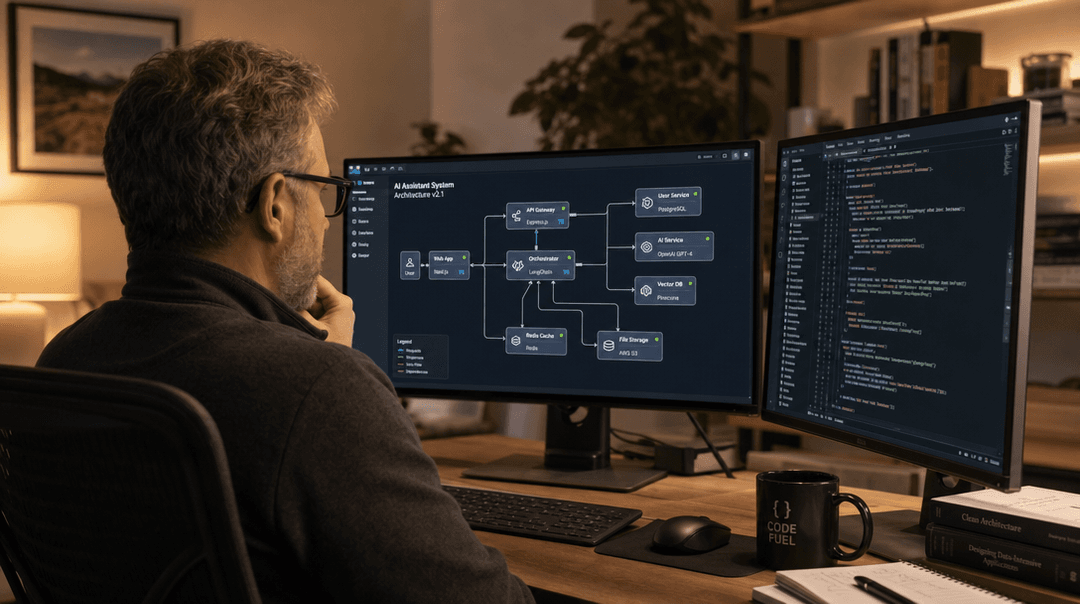
Most AI projects for SMBs never reach production.
A developer hooks up an API. It demos well, then fails in production for want of auth, rate limiting, cost controls and monitoring.
The gap between a demo and a production system is the work most shops skip: test suites, monitoring and security handoffs. We include that work in every build.
What we build
Four types of AI systems, one operating standard.
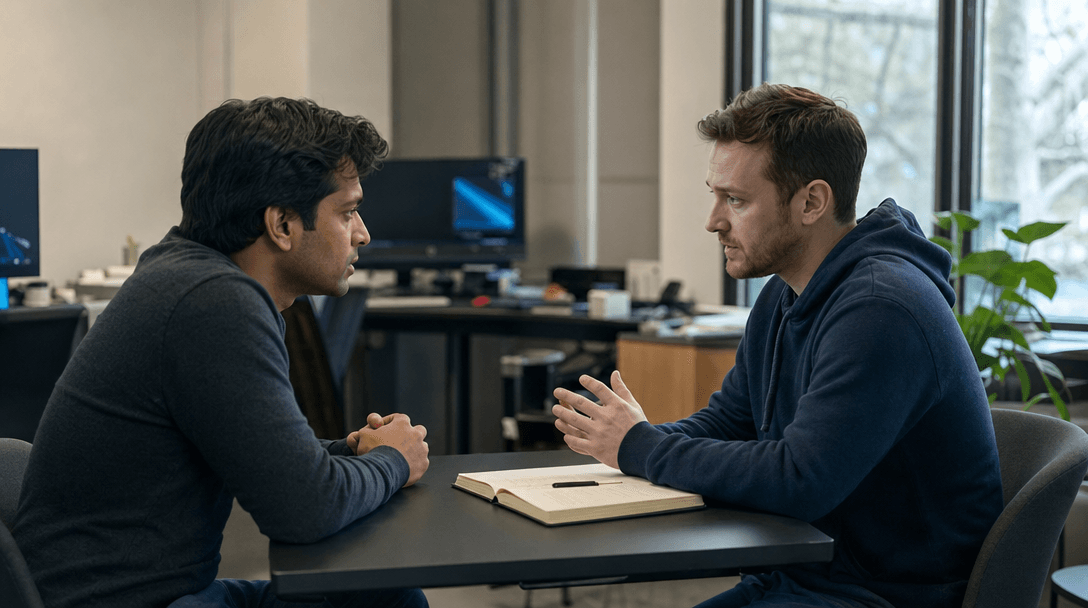
Every engagement is scoped to a specific problem, in writing, before any build starts.

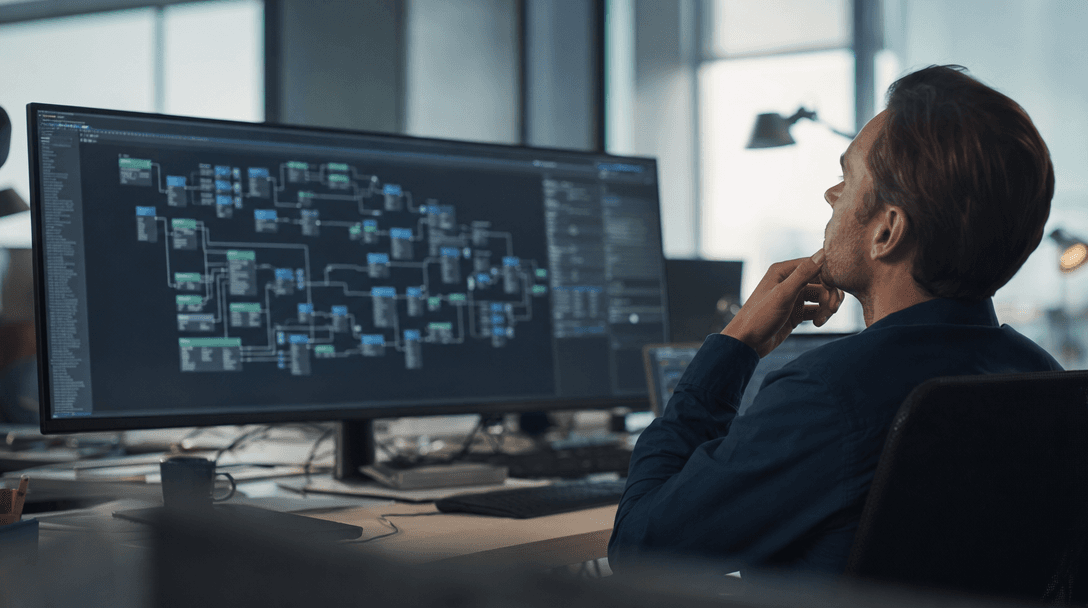
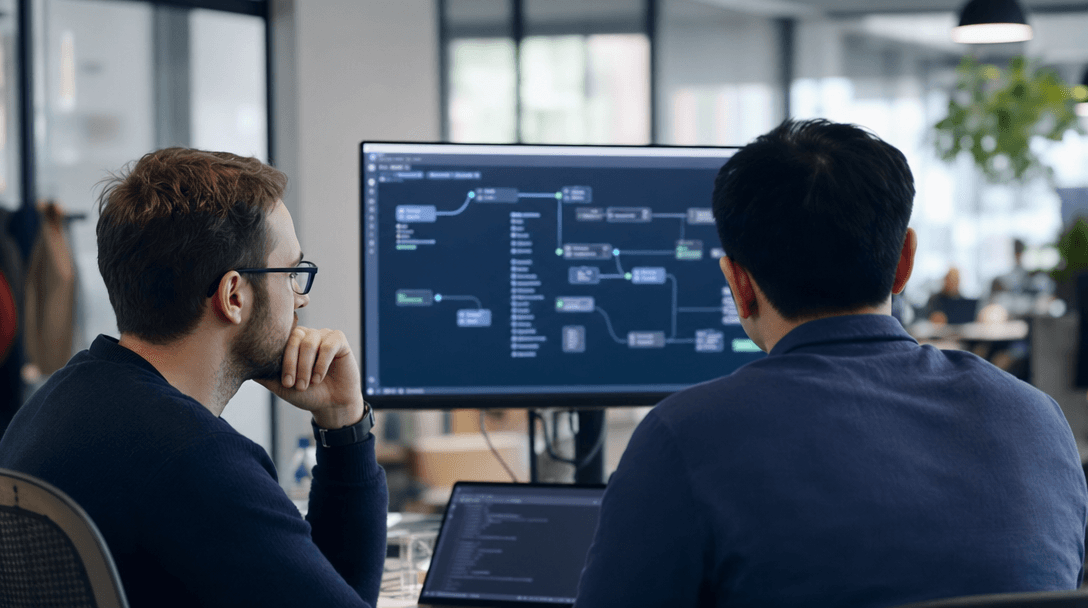
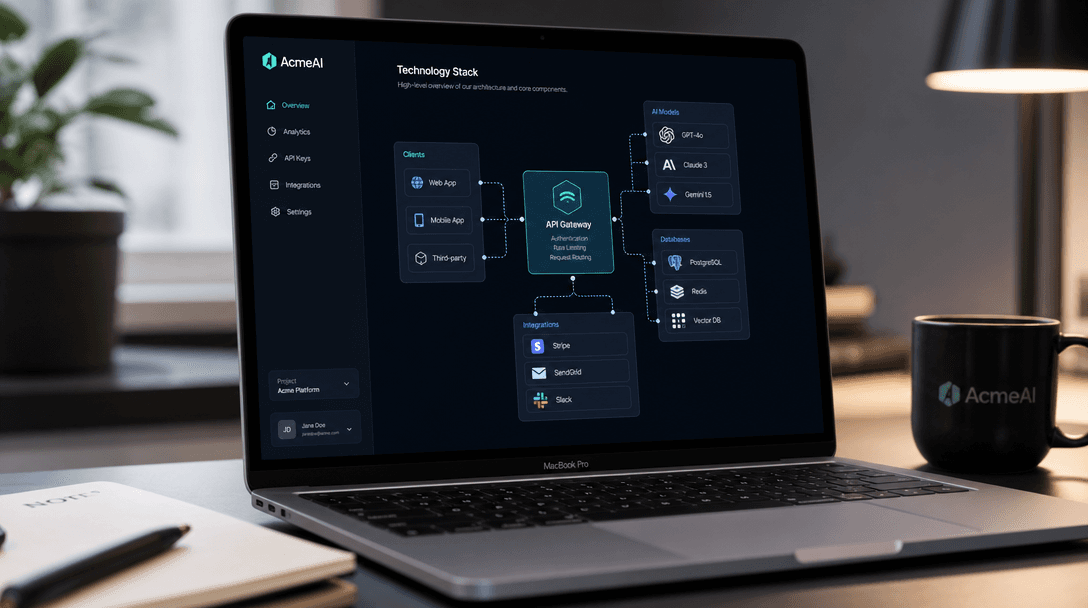
API gateway, AI models, databases and tool integrations wired together.
How we work
The operating model that makes it ship.
01
Fixed scope
Requirements, acceptance criteria and timeline agreed before any code is written.
02
Test before ship
A test suite runs against real inputs. Failures do not ship.
03
Monitoring included
Call logs, cost, latency, error rates and drift, live at handoff.
04
Outcome guarantee
On ClearShip projects, missing an acceptance criterion means a full refund.
How we compare
Scoped in writing. No surprise invoices.
Built for
Right for some. Not for everyone.
Built for
- Businesses whose operations already run on software
- A specific workflow costing your team 5+ hours/week
- One technical contact for handoff
- Ready to run AI in production, not just experiment
Not a fit
- Pre-revenue, where the ROI math doesn't hold
- Projects with undefined requirements or moving scope
- Teams needing ongoing AI management post-delivery
- Consumer apps, generative media, or regulated industries
Find the right starting point.
A scoping call finds the highest-ROI opportunity and produces a spec we can build from. Scope, milestones and an effort estimate go in writing before development starts.
Common questions
Quick answers.
What is AI development?+
AI development is building software that uses AI models, machine learning or automation to solve a business problem. For most SMBs it means one of three things: AI agents that automate multi-step workflows, chatbots that handle customer or internal queries, or AI integrations that add AI features to existing tools. The goal is a system that runs reliably in production, not a prototype.
How much does AI development cost for a small business?+
It depends on scope, and a tightly scoped project usually costs less than an open-ended one. The drivers are how many systems the work touches, how much of your process is already documented, and whether the output needs human review. We scope first to find your highest-return opportunity, then put the deliverables, milestones and an effort estimate in writing before development starts. Billing follows the work against that scope.
What kinds of AI development do you do?+
We build AI agents (multi-step workflow automation), AI chatbots (conversational systems connected to your data), AI integrations (adding AI features to your CRM, helpdesk, or internal tools), and custom AI software for specific operations problems. We don't do consumer apps, generative media tools, or projects where the requirements aren't defined.
How long does AI development take?+
Simple integrations and chatbots take 2-4 weeks. AI agents with multiple tools and integrations take 4-8 weeks. More complex multi-agent systems take 8-12 weeks. All timelines are fixed at scoping, so you know your delivery date before we write any code.
Do I need to know how AI works to hire you?+
No. You need to know your business problem: what costs your team the most time, what keeps breaking down in your operations, or what you wish happened automatically. We turn that into an AI system, and the technical design is our job.
What's the difference between AI development and AI consulting?+
Consulting is deciding what to build. Development is building it. We do both: our consulting work finds the opportunity with the highest return, and our development team ships it to production.
How do you make sure the AI system works in production?+
Every project includes a test suite: a set of test cases that run before deployment and check the system behaves correctly. We also set up monitoring (logging, cost tracking, drift detection) so you can see what the AI is doing after it goes live. If we can't measure a system, we don't ship it.
Ready to start?
Build the system. See what it saves.
Most clients are in production within 8 weeks.